Check what ASTM A554 covers before naming it
ASTM A554 stainless steel square tube is a specification phrase, not a complete purchase description. Start with the official ASTM record and confirm the current standard scope and edition. Then check that the intended square mechanical-tubing use belongs inside that scope. Do not apply A554 merely because a competitor page uses the label.
An archived legacy source previously presented the referenced square-tube category name in YUHUA product information; that record is pending mandatory re-verification and cannot establish current product scope, availability or company capability. It does not establish that a specific YUHUA item complies with A554. Compliance, dimensions, material, condition, finish, tests and records require current order-specific confirmation. Keep that distinction in the title, the RFQ and the final offer.
Separate mechanical tubing from pressure-system decisions
Product standards serve different purposes. Mechanical or ornamental tubing language should not be treated as a substitute for a pressure-pipe specification, a system design code or project engineering. Define the component's function first. If it contains pressure or performs a safety-critical structural role, the responsible engineer must identify the governing requirements.
An accurate RFQ states the product form and intended use, cites each applicable document and explains its role. If a design code, dimensional document and material specification all apply, resolve their overlaps before asking for price. Do not ask receiving inspection to reconcile them after delivery.
Write square geometry explicitly
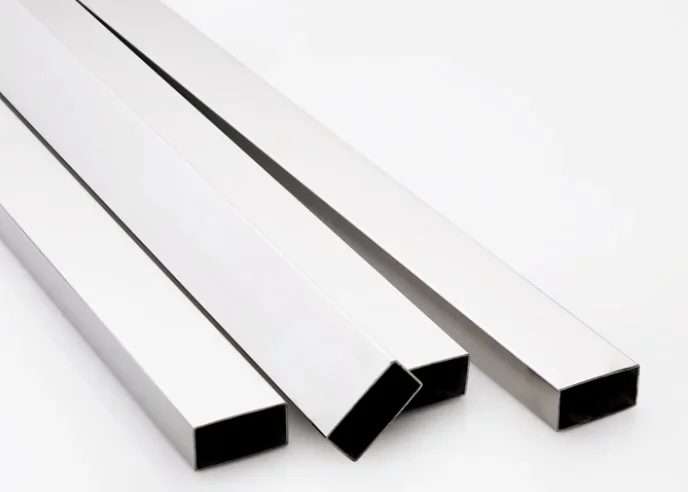
List both outside sides even when they are intended to be equal. Add wall, length and units in separate fields. Show orientation, corner or radius controls, straightness, twist and cut condition only where they affect the assembly. Cite the measurement and tolerance basis. The phrase square tube does not define any of these values.
Share datums for holes, slots or mating faces. If welding fixtures, telescoping parts or cladding depend on a controlled characteristic, explain that use. The offer can then identify a capability question before the order rather than turning it into a shop-floor surprise.

Control material, condition and finish
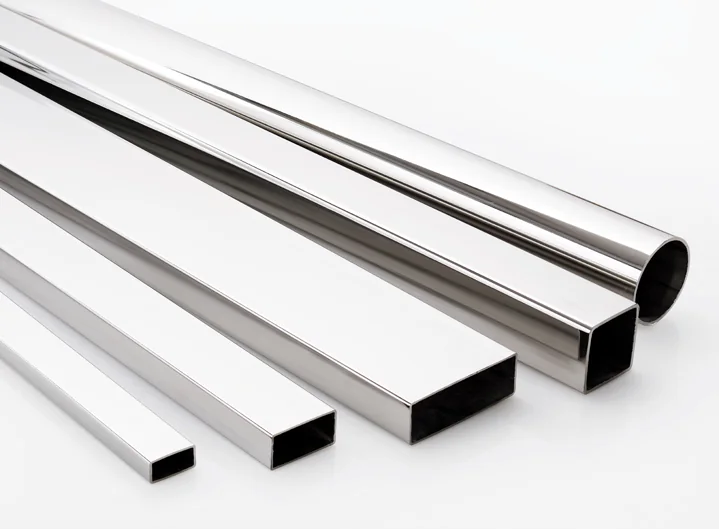
State the approved material designation or the service conditions that still require selection. Do not assume a square profile automatically comes in every grade. Identify condition and finish requirements through the governing document, drawing and approved visual reference as applicable.
For visible work, mark viewing faces, finish direction, weld orientation, blending expectations and protective film. A finish name alone may not communicate the acceptance threshold. Where appearance matters, agree on an objective method or physical sample and identify it in the purchase record.
Choose tests and records for the actual risk
Read the current standard and project specification before selecting tests. List mandatory examinations, acceptance criteria, sampling, reporting and witness points. Ask how identifiers connect each record to the delivered item. Generic claims or certificate images do not establish order-specific conformance.
The evidence package should be proportionate. Too little leaves the buyer unable to accept the material confidently; indiscriminate extras add cost and schedule. Quality and engineering should agree on the matrix before procurement issues the final RFQ.
Compare A554 quotations without hidden scope changes
Build aligned columns for item description, standard edition, geometry, tolerances, material, condition, finish, tests, records, quantity, packing, schedule and exclusions. Require bidders to repeat or acknowledge each field. A quote that says A554 only is incomplete.
Price alternatives separately. A proposed change in grade, wall, tolerance, finish or inspection basis needs approval by the owner of that requirement. Keep the requested baseline visible so procurement can compare commercial differences after technical differences are understood.
Use an evidence-led YUHUA inquiry
Send the application, drawing, controlled item schedule and evidence matrix. Ask YUHUA to verify whether the exact square-tube requirement can be offered and under which current standard edition. Request a written list of deviations and exclusions.
Do not treat this guide as a declaration of supply or certification. The page exists to improve the question. The answer that matters is the item-specific offer, supported by the records named in the approved requirement.
Close the standard, drawing and order as one package
Before award, create a requirements cross-check. List every critical drawing note, standard clause selected by the project, supplementary requirement and inspection record in one matrix. Give each row an owner and a closure reference. This avoids the familiar problem where the drawing says one thing, the RFQ another and the quotation acknowledges only a short description. The matrix does not need to repeat the full standard; it needs to show where each project decision is controlled.
When the bidder returns an exception, do not edit it silently into the baseline. Record the requested condition, the proposed condition, the technical reviewer and the disposition. Approved changes must flow into the final drawing, schedule and purchase order. Rejected changes remain visible in the review record so they cannot reappear during order acknowledgment. A standard designation is useful only when the commercial documents preserve the agreed scope around it.
Plan receiving inspection at the same time. Identify what can be checked from markings and records, what needs dimensional sampling and what requires a visual or test result. Define the instrument, datum and sampling basis where the project calls for them. Material that cannot be connected to the approved item and evidence package should be segregated until disposition. This end-to-end trace is more defensible than relying on a product-page label. Retain the supplier's final acknowledgment, approved deviations and document register with the receiving record. If a later fabrication problem appears, the team can trace the ordered condition and evidence instead of reconstructing the decision from email fragments. The same record also improves the next RFQ by showing which fields caused questions or commercial variation. Review those lessons before releasing the next purchase package, especially when drawings or standards have changed.
Technical references
Questions buyers ask
Does this page certify YUHUA square tube to ASTM A554?
No. An archived legacy source previously presented the referenced square-tube category name in YUHUA product information; that record is pending mandatory re-verification and cannot establish current product scope, availability or company capability.
Is A554 a complete size specification?
No. The RFQ still needs outside dimensions, wall, length, tolerances, condition, finish, material and acceptance requirements.
Can A554 replace a pressure-pipe specification?
Do not assume that. Confirm the intended product form and governing system requirements with the responsible engineer and the official standard scopes.
What records should be requested?
Request the records required by the governing standard and project risk, with identifiers that connect them to the delivered item. Avoid relying on generic brochures.