Evidence-led stainless steel sourcing

+86 131 5623 3808  ·  opheliamyers221@gmail.com

YUHUA SQUARE / Quality

Define evidence and acceptance for stainless steel square tube

Specify what will be checked, how acceptance will be decided and which record must connect to each offered or delivered line.

Define the stainless steel square tube context

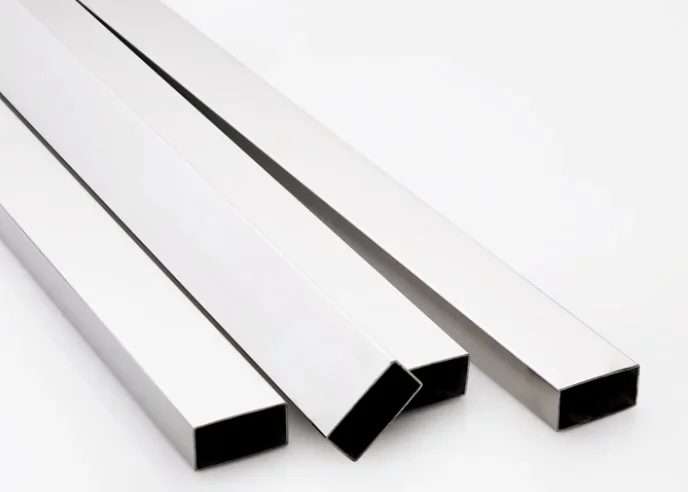
Square tube is selected for equal-side geometry, but a side dimension and grade do not define a purchasable item. Wall, length, corner form, straightness, twist and the appearance of exposed faces can affect cutting, fixturing and assembly. Holes, slots, mitres, welded attachments and caps should be shown on a controlled drawing when they matter to fit.

The buyer should also separate structural intent from visual intent. A frame may be governed by load and weld preparation, while a railing or furniture component may be governed by corner appearance, grain direction and handling protection. Those priorities can coexist, but each needs its own acceptance language and approval owner.

Build an evidence plan around acceptance

Quality planning for stainless steel square tube is a documented agreement, not a collection of broad assurances. Begin with the drawing, the applicable tube standard and agreed geometric and surface criteria. For each requirement, name the characteristic, method or reference, coverage, acceptance basis, record format and approval owner. This makes clear whether a check applies to every piece, a defined sample, a heat or lot, or a submitted document.

Evidence should remain traceable to the commercial line. Ask how side and wall measurements, straightness or twist checks, surface references and material records will be identified and linked to the offered or delivered item. Do not use phrases such as fully tested or fully certified as substitutes for scope. Unavailable evidence, proposed alternatives and purchaser-held approvals belong in the written deviation list.

Review evidence requirements before price comparison, not after production or dispatch. The resulting matrix should show who supplies each record, who reviews it and what happens when equal-side geometry, corner radii, visible faces, seam orientation and downstream fabrication or an acceptance document differs from the requested baseline.

What this means for stainless steel square tube

Square-tube inspection should focus on the geometry that affects assembly as well as any specified material and surface evidence. Define where side size is measured, how twist and straightness are assessed, which faces are cosmetic and how an approved finish reference will be identified.

Keep acceptance and current scope explicit

Square profiles should be compared on the same outside size, wall basis, length, corner expectation and permitted geometric variation. A nominal description or catalogue label does not resolve how side size, squareness, twist or straightness will be checked. If mating parts are already fixed, share the interface drawing and identify the dimensions that cannot move.

Nothing on this site verifies current YUHUA square-tube availability, process route, certification or inspection coverage. The current written offer must identify the proposed item, included records, exclusions and deviations. The drawing supplied by the purchaser, active standard and approved sample remain the acceptance basis where they are specified.

Continue in this product site

Open the detail behind the next decision

RFQ desk

Request a specification review

Send side size, wall, length and quantity, then add corner, straightness, twist, finish and fabrication requirements that affect fit or appearance. A drawing is especially important for hole patterns, mitres, caps, welded fittings and assemblies with little adjustment.

WhatsApp +86 131 5623 3808

opheliamyers221@gmail.com

Do not send passwords, payment-card data or unnecessary sensitive information.